
The unveiling of Trump’s $500 million crypto venture has sent ripples through the financial and political landscapes. This deal not only influences the crypto market but also raises critical questions around ethics and foreign investment, making it essential for audiences to understand its implications now.
The Ethical Dilemmas of Trump’s Crypto Venture
Trump’s recent transaction—selling a stake in his cryptocurrency company to Sheikh Tahnoon bin Zayed of Abu Dhabi—has sparked significant ethical scrutiny. Particularly, the deal grants the sheikh a 49% stake in World Liberty Financial, which is pivotal given Trump’s previous presidency and his dealings with foreign governments. Critics argue that this arrangement could create political influence and potential conflicts of interest, as highlighted by reports from the Financial Times.
Public perception surrounding foreign investments in the U.S. crypto sector is evolving as well. Many citizens are increasingly skeptical about how these high-stakes financial transactions may affect domestic interests and national security. This growing distrust calls for heightened scrutiny of the motives behind both foreign and domestic investments, especially in sensitive sectors like cryptocurrency and technology.
Recent Developments in Crypto Market Trends
The global crypto market is undergoing a transformation, greatly influenced by high-profile transactions like Trump’s venture. Major deals can significantly sway market confidence and investor sentiment, leading to fluctuations in cryptocurrency values. For instance, as Trump’s deal unfolds, it intersects with ongoing regulatory discussions in the U.S., compounding complexities already present in the crypto ecosystem. As noted in recent analyses, market responsiveness remains a critical metric for investors navigating these shifting waters.
Investors are closely monitoring the impact of this and similar investments on broader market trends. Given the volatile nature of cryptocurrencies, such transactions can either build or erode consumer trust. Moreover, the influence of foreign investments, particularly from places like Abu Dhabi, on U.S. financial markets cannot be underestimated, reflecting the intricate relationship between investment flows and regulatory environments.
The Role of Foreign Investments in U.S. Crypto
Abu Dhabi’s increasingly prominent role in the American crypto landscape invites further examination. Historically, foreign investments in U.S. tech sectors have been contentious, often igniting debates around market access and potential adverse effects on local economies. Trump’s recent deal exemplifies this tension; it not only reflects the financial bond with a foreign power but also raises questions about its implications for bilateral relations.
The investment landscape has greatly shifted, with countries like the UAE seeking strategic partnerships in the technology sector, particularly in areas like crypto. These relationships can alter market dynamics and shifts, affecting how emerging technologies are shared and regulated within the U.S. sector. This relationship inherently impacts national security concerns, especially when considering technology exchanges that could influence key areas like AI and cybersecurity.
Implications for National Security and Technology Access
Security concerns around technology partnerships have become more pronounced, particularly in the context of crypto deals that facilitate access to sensitive technologies. Trump’s venture is particularly noteworthy as it allows the UAE access to advanced AI chips, which had previously been denied by the Biden administration due to security concerns. This situation underscores how crypto transactions can be intertwined with critical technology access and national security issues.
As these pressures evolve, regulatory frameworks need to address these challenges. Policymakers are tasked with creating an environment that mitigates risks while encouraging innovation. It’s a delicate balancing act that speaks to the complexities of the crypto landscape and how it is reshaping the traditional facets of economic and national security.
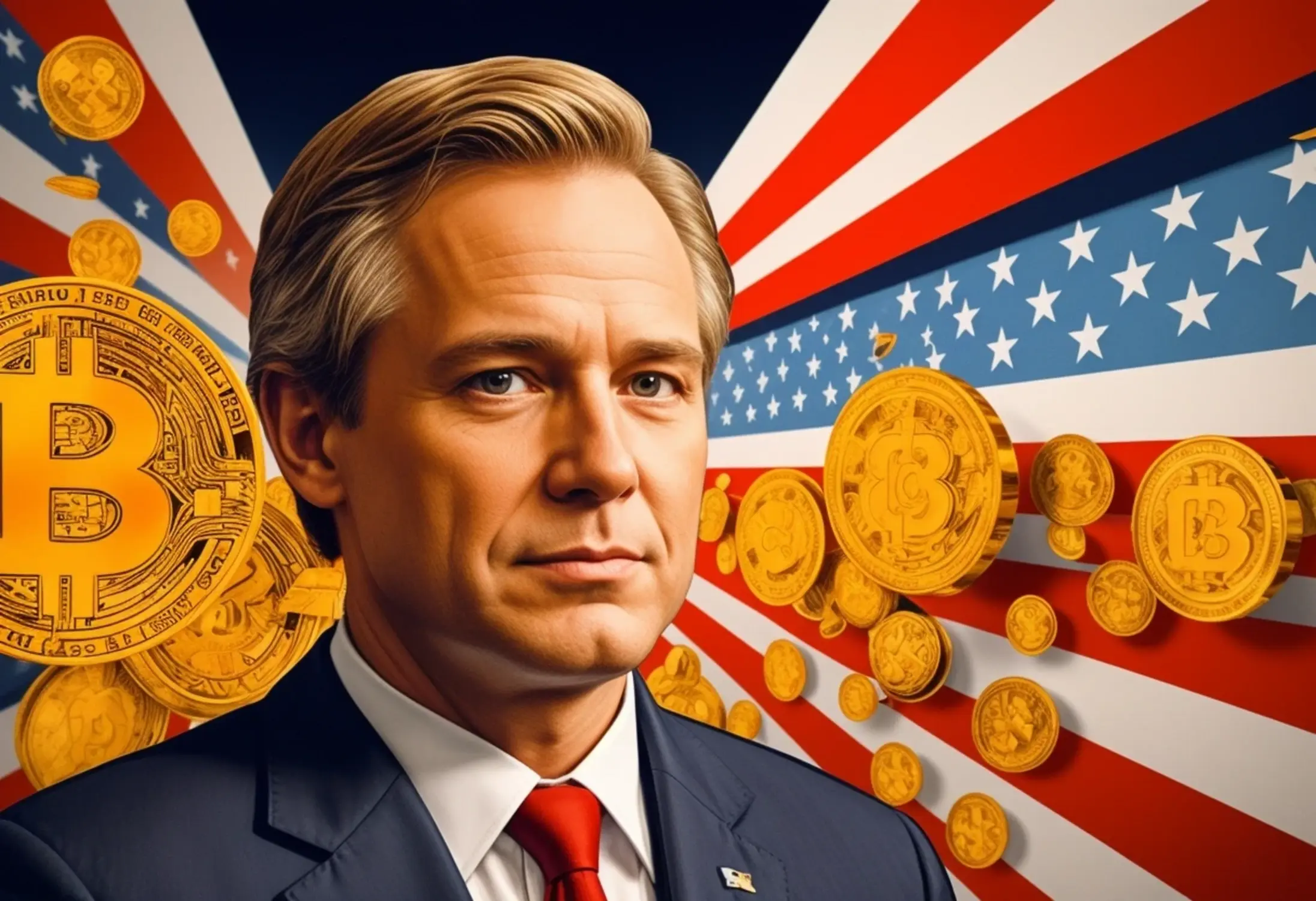
Understanding the Global Economy Through Trump’s Deal
Trump’s $500 million crypto deal serves as a microcosm of broader economic trends and shifts. It reflects how intertwined political decisions, foreign investments, and economic outcomes have become in an increasingly globalized world. The crypto market, in particular, embodies the interconnected nature of financial activities, where actions can reverberate across borders and influence national economies.
This deal showcases how cryptocurrencies are altering the dynamics of the global economy. As nation-states diverge in their regulatory approaches to the crypto sector, investors must navigate this complex environment with an understanding of geopolitical influences that underlie market behaviors. Trump’s enterprise signifies more than just a financial transaction; it speaks to the necessity of considering ethical and regulatory factors in a landscape where interests are deeply interwoven.
What Readers Can Do in This Evolving Landscape
As the crypto landscape continues to evolve, it’s crucial for readers to stay informed about the political influences shaping the sector. Here are a few actionable tips:
– Regularly follow trusted news sources that cover both political and financial developments within the crypto space.
– For investors, consider how foreign investment opportunities can impact your strategies, particularly in light of geopolitical tensions.
– Engage in discussions about ethical business practices, particularly concerning foreign investments in sensitive sectors. This conversation is crucial to fostering a responsible investment environment.
The dynamics surrounding Trump’s crypto venture underscore the importance of staying educated about market trends and the regulatory landscape. As these interactions grow more complex, both investors and everyday individuals must adapt their understanding of how these elements coexist within the global economy.




More Stories
Why India’s Crypto Tax Reform May Change Everything for Traders
The Hidden Truth About U.S. Federal Policies and Bitcoin Confidence
How Policymakers Are Using White House Meetings to Shape Crypto Regulations