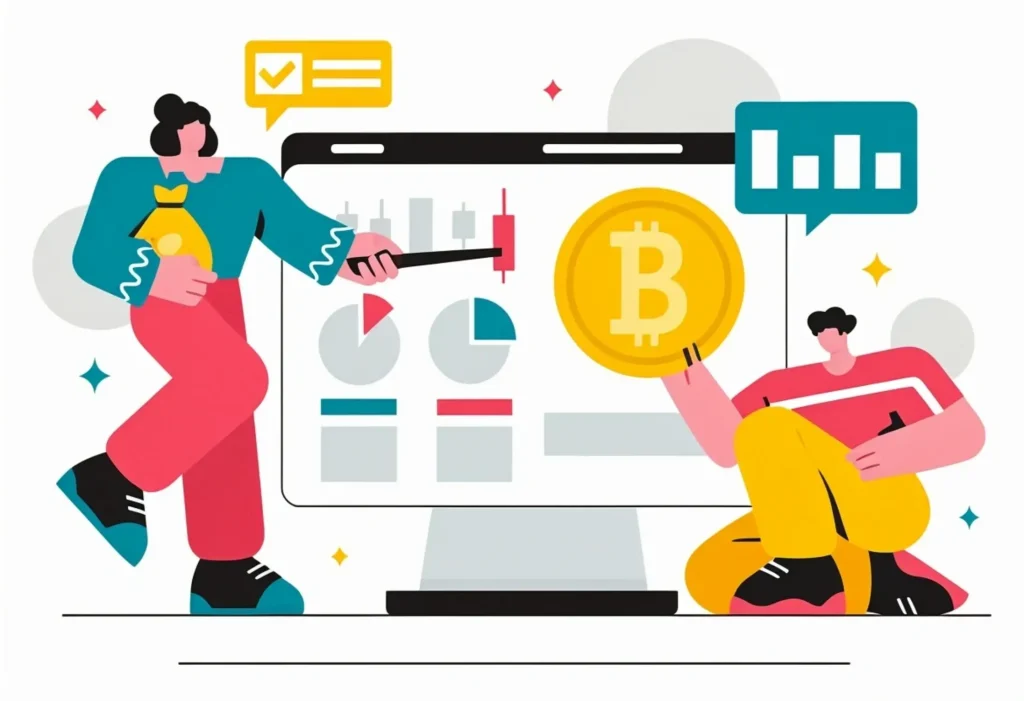
Investors are increasingly turning to tokenization as a key strategy to unlock new opportunities in the rapidly evolving blockchain market. This innovative approach allows for the fractional ownership of real-world assets, creating new pathways for investment that were previously inaccessible.
The Value of Tokenization in Today’s Market
Tokenization refers to the process of converting rights to an asset into a digital token on the blockchain. This paradigm shift holds immense significance as it democratizes access to real-world assets, allowing more investors to participate in markets that were traditionally limited to wealthier individuals and institutions. For instance, real estate, art, and even private equity are being tokenized, lowering the entry barriers for individual investors.
In sectors like real estate, tokenization enables fractional ownership, which means investors can purchase a share of a property rather than the whole asset. According to a recent article, such innovations are reshaping investment landscapes, providing broader access and liquidity in markets.
Tokenization is beneficial across various sectors. In art, for example, costly pieces can be tokenized into shares, allowing multiple investors to co-own and trade them. This not only increases market accessibility but also liquidity, enabling faster transactions and investments that can adjust dynamically to market changes.
Current Blockchain Market Growth and Impact
The blockchain market has witnessed exponential growth, with its projected value reaching up to $1 trillion by 2032. This robust expansion plays a crucial role in reshaping investment strategies. As blockchain technology integrates across various industries, it provides improved efficiency, security, and transparency.
Investors are adapting their strategies to leverage blockchain’s inherent advantages. This shift fosters innovation in product development and investment models. Traditional finance is evolving, and as highlighted by recent reports, organizations must navigate this landscape carefully, balancing technology adoption with regulatory compliance.
The influence of blockchain extends beyond mere asset creation; it’s actively changing how assets retain value and are transferred. For instance, decentralized finance (DeFi) projects such as Aave and Uniswap are examples of how blockchain is revolutionizing lending and trading by enabling peer-to-peer exchanges without intermediaries, which further accelerates market growth.
Transforming Real-World Assets Through Tokenization
Real-world assets encompass tangible items like real estate, commodities, or fine art, which can be tokenized for broader investor participation. Tokenization creates benefits such as increased liquidity and transparency, appealing to modern investors.
When assets are tokenized, they allow for easy trading on secondary markets, enhancing liquidity potential. An investor can sell their fractional ownership much faster than selling the entire asset, thus mitigating risks associated with illiquid investments. Additionally, successful case studies in tokenization, like those from companies embracing blockchain solutions for real estate holdings, demonstrate how these strategies can yield significant returns and open new avenues for investment.
As more sectors adopt tokenization, future projects stand to leverage blockchain technology for transparent and efficient transactions. With up to $25 billion expected in the Blockchain as a Service (BaaS) market by 2027, the anticipation is that many existing assets and new ventures will tap into this innovative framework for trade and investment.
Navigating Challenges in Tokenization Practices
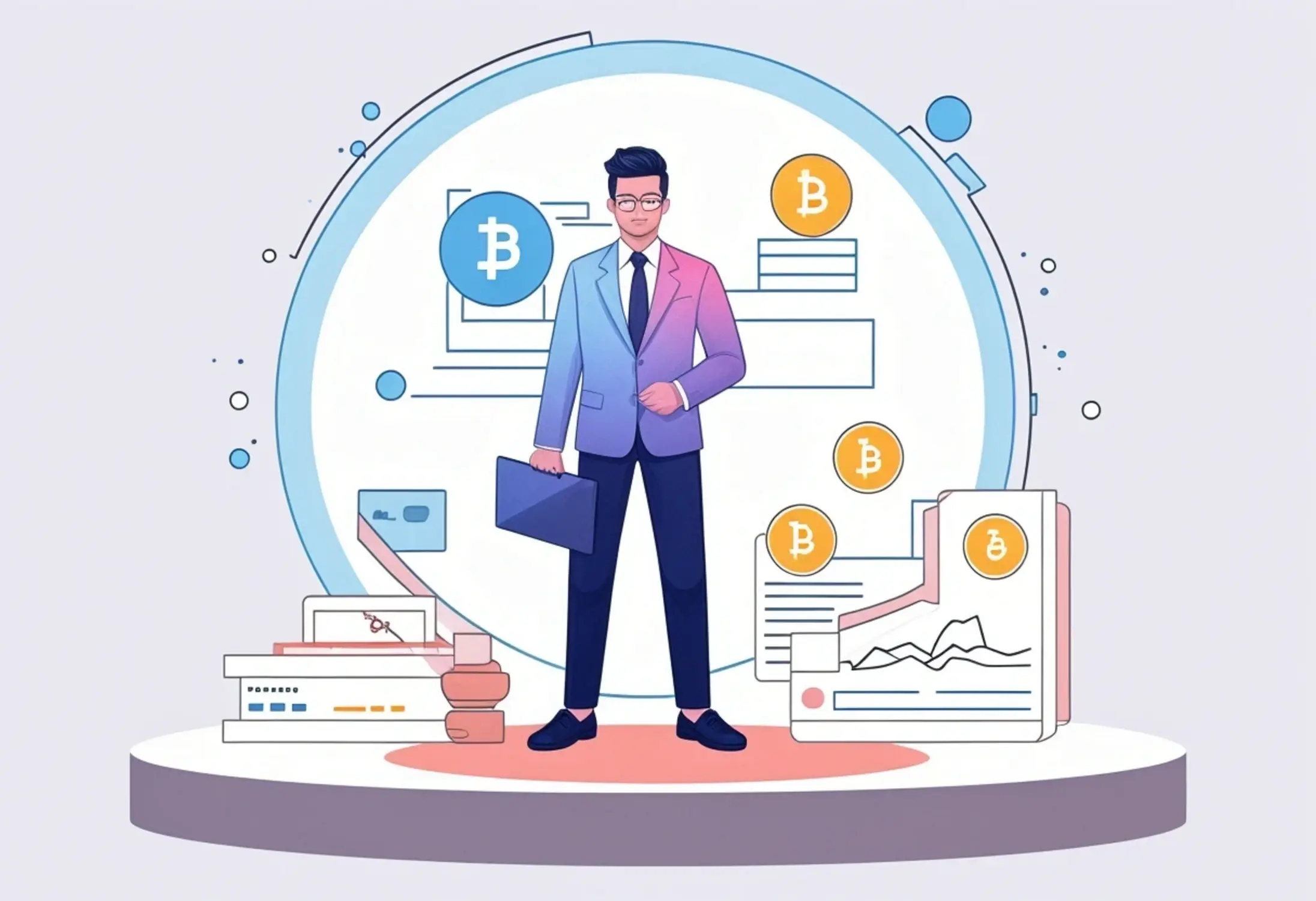
Despite the promising opportunities tokenization presents, investors encounter several challenges. Chief among these are regulatory hurdles, as various jurisdictions differ significantly in their treatment of tokenized assets. Regulatory compliance is paramount for successful tokenization, requiring legal expertise to navigate the complexities involved.
Additionally, there are technological challenges that can hinder adoption. Issues like scalability, security concerns, and lack of interoperability between different blockchain systems can complicate the process. Strategies to overcome these challenges include continuous engagement with regulatory bodies to shape favorable policies and a focus on robustness in blockchain infrastructure.
Investors must stay informed of regulatory developments and trends in technology to successfully navigate the landscape of tokenization. Engaging with industry experts and participating in forums can provide valuable insights.
Exploring Decentralized Finance and Tokenization Synergies
The relationship between decentralized finance (DeFi) and tokenization is increasingly symbiotic. DeFi platforms utilize tokenized assets to create innovative financial products, including lending, borrowing, and trading without intermediaries. These platforms foster a decentralized marketplace where users can leverage their tokenized assets for liquidity.
As DeFi grows, it enhances investment opportunities for tokenized assets. For instance, platforms like Aave are facilitating peer-to-peer lending directly, bypassing traditional banks and institutions. This transformation allows users to earn interest on their assets and gain access to capital without losing ownership.
The future potential of DeFi is vast. With the anticipated growth of the DeFi market projected to reach $231 billion by 2030, organizations and investors must closely monitor how DeFi shapes the investment landscape and what new opportunities arise.
Practical Steps for Investors in Tokenization
For investors looking to dive into the world of tokenized assets, there are practical steps to consider. First, begin by researching tokenization platforms that offer real-world asset tokenization services. Understanding the underlying blockchain technology and its implications is crucial.
Investors should also evaluate their investment strategies, considering how tokenization fits into their portfolios. A diversified approach that includes both traditional and tokenized assets can mitigate risks. Resources for further education include online courses, webinars, and articles focused on blockchain technology.
In summary, tokenization is reshaping investment landscapes and offering unprecedented opportunities to investors. Understanding this innovative approach and its implications can provide a competitive advantage in the dynamic world of finance.
More Stories
Why Non-Playable Coin (NPC) Is Facing An Existential Crisis Now
5 Predictions About NPC That’ll Transform Digital Marketplaces in 2024
How Digital Artists Are Using Non-Playable Coins to Engage Communities