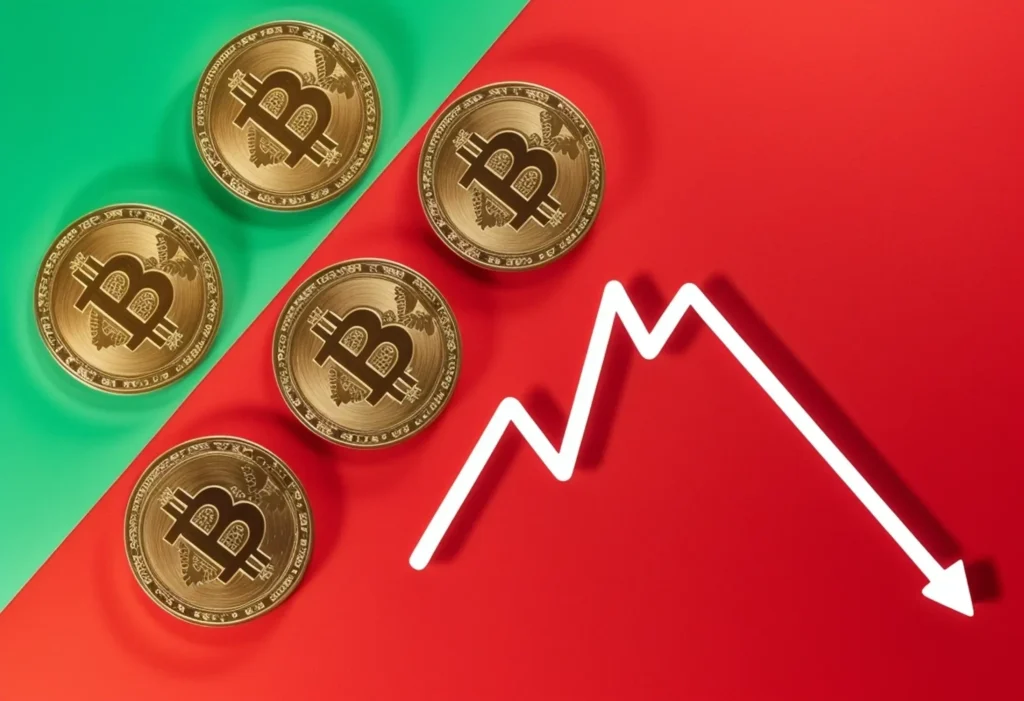
Understanding how tariff uncertainty influences the economic landscape is crucial for navigating the tumultuous crypto market. As tariffs fluctuate, Bitcoin and other cryptocurrencies experience significant price changes that can impact investor confidence and market behavior. This article delves into the intricate relationship between tariff changes and cryptocurrency valuation while offering insights into how to maneuver through this complex terrain.
Tariff Uncertainty and Its Impact on Cryptocurrency
Tariff uncertainty introduces significant fluctuations in market confidence, wielding direct influence over cryptocurrency prices. When governments announce potential tariff changes, investors often react swiftly, adjusting their portfolios based on perceived risks and rewards. For instance, sudden tariff announcements can lead to declines in traditional markets, causing spillover effects on the crypto market as investors seek refuge in digital assets. However, the crypto realm does not exist in a bubble; according to recent reports, correlation between government policies and cryptocurrency prices can be profound.
The interplay between investor sentiment and tariff shifts is noteworthy. During periods of heightened tariff discussions, many investors adopt a cautious approach, often resulting in increased volatility. Notably, analysts observe that such psychological factors can obscure the fundamental value of cryptocurrencies like Bitcoin, which can lead to erratic price swings. Investors often respond to tariff uncertainty by liquidating holdings to avoid potential losses, further exacerbating price declines.
Current State of Bitcoin Prices Amid Tariff Changes
As we explore the current state of Bitcoin prices, we notice fluctuations below $65,000, a critical psychological threshold for traders. This recent drop in value has been attributed to market fears stemming from tariff changes and wider economic concerns. The total cryptocurrency market capitalization has faced a downturn, with Bitcoin’s market cap declining significantly. Reports indicate that over 4.4% of the total market capitalization was wiped out within 24 hours, prompting discussions about liquidity events that often shape market trends.
Investor sentiment remains fragile, with many traders wary of committing to new investments given the recent price movements. According to industry insights, automatic selling mechanisms were triggered, leading to significant liquidation events. With more than $459 million in leveraged positions liquidated in just 24 hours, it’s evident that investor confidence is shaken by tariff uncertainties and overall market conditions.
Economic Impact on the Crypto Market
Macroeconomic factors heavily influence the cryptocurrency landscape. Recent tariff changes have coincided with various economic trends, creating a ripple effect on digital currencies. In periods of economic uncertainty, cryptocurrencies like Bitcoin often act as a hedge against inflation, but they can also suffer due to liquidation pressures as seen recently.
Key economic indicators such as interest rates, inflation, and employment statistics can profoundly affect Bitcoin valuations. As observed in recent months, correlations between traditional economic factors and cryptocurrency prices become more pronounced during turbulent times. For instance, rising inflation could spook investors, who may begin reallocating assets towards currency hedges, including Bitcoin.

The Role of Investor Sentiment in Price Declines
The psychology of cryptocurrency investors plays a pivotal role in the broader market dynamics. During times of tariff uncertainty, fear and speculation can drive market closures and sharp price declines. Many traders base their actions not just on the economic fundamentals but also on market sentiment, which can result in sudden shifts in cryptocurrency valuations.
Concerns about future regulatory measures and tariff policies often lead to liquidation events. As prices dip, panic selling ensues, showcasing the vulnerabilities tied to collective investor behavior. This cycle feeds itself: dropping prices lead to heightened fears, which prompt further selling. Therefore, forecasts and predictions based on current sentiment must consider these psychological undercurrents that define market movements.
Monitoring Support Levels for Cryptocurrency Stability
Investing in a fluctuating market like cryptocurrency necessitates close monitoring of support levels. Support levels are essential for Bitcoin investors as they provide insight into where potential price rebounds may occur. Keeping a watchful eye on these critical resistance points helps investors and traders strategize effectively.
Technical analysis tools can assist in identifying support levels, enabling traders to make informed decisions. For example, analysts recommend tracking historical price points where cryptocurrencies have previously bounced back. As Bitcoin approaches the key levels of $62,000 and seeks to reclaim $66,000, investor attention intensifies. Being armed with such data is crucial for navigating this ever-shifting market landscape.
Actionable Steps for Navigating Tariff-Driven Market Changes
Investors looking to navigate the complicated world of tariff-driven market changes can adopt several actionable strategies. Consider diversifying cryptocurrency holdings to mitigate risks associated with volatility. Spreading investments across various assets can protect against downturns in any single cryptocurrency.
Additionally, evaluating market news and tariff updates critically is vital. Keeping abreast of global news can help investors stay informed about potential changes impacting cryptocurrency prices. Lastly, exercising sound decision-making by weighing the risks before acting on market sentiments can be pivotal in safeguarding one’s investments during tumultuous times.
By adopting these strategies, investors can enhance their ability to make informed choices that help weather the storms of tariff uncertainty.




More Stories
How Traders Are Using Bitcoin to Navigate Current Geopolitical Challenges
How Investors Are Using Crypto Trends to Navigate Trade Uncertainty
The Hidden Truth About Bitcoin’s Five-Month Decline and Its Causes