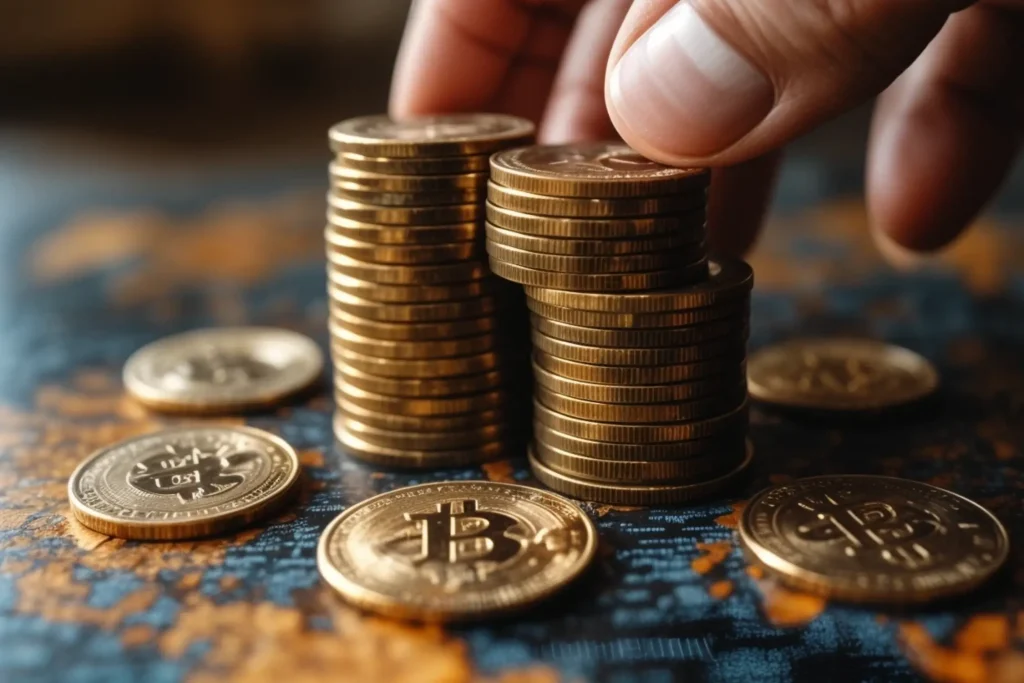
The El Salvador Bitcoin Economy is rapidly evolving as the country engages in an unprecedented investment strategy that brings great promise and complexity. As the nation dives deep into cryptocurrency, it’s essential to grasp how this move can reshape not only El Salvador’s financial landscape but also the entire Central American region.
Understanding the Bitcoin Investment Phenomenon
Bitcoin’s rise as a cornerstone of El Salvador’s national strategy is a fascinating development. Since President Nayib Bukele’s announcement in September 2021 making Bitcoin legal tender, the country has witnessed increased engagement from both citizens and businesses with cryptocurrency initiatives. Communities are adapting, with many locals participating in Bitcoin investment conversations, education, and usage through various apps and platforms.
Key figures such as Bukele himself have been pivotal, constantly promoting Bitcoin as a means to financial inclusivity. The government has introduced various programs aiming to incentivize Bitcoin adoption, ranging from digital wallets like Chivo to education initiatives targeting entrepreneurs. As a result, many Salvadorans are hoping to seize the opportunities of a growing digital asset economy.
El Salvador’s Commitment to Bitcoin
In a bold move, El Salvador’s government has fully backed Bitcoin as part of its economic strategy. Bukele’s administration has notably accumulated significant Bitcoin assets, with reports indicating an addition of more than 1,000 BTC during November’s market downturn, despite pressure from institutions like the IMF to regulate spending and manage risks.
This commitment aligns with Bukele’s vision of positioning El Salvador as a pioneer in the crypto space. The potential for Bitcoin to transform the economy hinges on this governmental support, fueling optimism amid growing discussions about the future of economic growth in the region. As recent analyses have revealed, the IMF has even praised El Salvador’s unexpected economic resilience, which has seen a projected GDP growth rate of around 4% amidst the Bitcoin initiatives.
Exploring IMF Support for El Salvador
El Salvador’s relationship with the International Monetary Fund (IMF) is complex. While the IMF has shown cautious support for the direction of El Salvador’s economic growth, concerns persist regarding cryptocurrency ventures. The IMF underscores the importance of risk management and regulatory compliance as necessary for sustainable economic progress.
Support from the IMF, according to financial experts, is somewhat linked to the success of Bitcoin initiatives. If the country can demonstrate that Bitcoin integration fosters economic resilience without exacerbating existing vulnerabilities, it may pave the way for further financial backing from global institutions. Additionally, the notion that Bitcoin could serve as a tool for economic revitalization is stirring interest among investors and stakeholders alike.
Economic Growth Linked to Bitcoin
The projections about El Salvador’s economy are increasingly tied to Bitcoin holdings, positioning cryptocurrency at the core of economic discussions. With predictions suggesting a real GDP growth of approximately 4% fueled by these investments, Bitcoin could play a vital role in driving traditional sectors such as tourism and remittances.
The correlation between states adopting cryptocurrencies and economic resilience is becoming more apparent. As El Salvador holds onto nearly 7,500 BTC, valued at about $660 million, it seeks to showcase how cryptocurrency can bolster national wealth. This trend is evident in the positive economic indicators emerging in conjunction with Bitcoin’s usage within local industries.
Challenges Facing El Salvador’s Bitcoin Economy
Despite the ambitious plans, challenges loom over El Salvador’s Bitcoin economy. Regulatory hurdles and public perception present significant barriers. Many citizens remain skeptical, citing concerns about Bitcoin’s volatility and its implications for their savings.
Comparisons with other countries’ crypto regulations, such as Bhutan’s cautious framework that utilizes its surplus hydropower for Bitcoin mining, highlight how El Salvador might benefit from adopting a more phased, regulated approach. The unique blend of regulation and innovation exemplified by Bhutan can serve as a model for El Salvador, potentially easing fears and fostering a more stable crypto economy.
Potential Solutions to Optimize Bitcoin Investments
To better leverage Bitcoin opportunities, local businesses must adopt strategies that promote economic participation. Initiatives that bolster financial literacy about cryptocurrencies can empower communities, reducing anxieties around digital assets.
Additionally, fostering partnerships with international markets through crypto-economic collaborations can enhance El Salvador’s standing within Central America. By creating a supportive ecosystem, the nation can potentially mitigate volatility risks and normalize Bitcoin usage within everyday transactions.
The Future of Crypto in Central America
Looking forward, the potential for Bitcoin to influence neighboring countries can’t be understated. El Salvador’s pioneering efforts to adopt Bitcoin could inspire similar movements across Central America, paving the way for cross-border digital currency usage that enhances regional trade.
As the evolving role of El Salvador as a crypto leader takes shape, its experiences could set precedents and accelerate the adoption of blockchain technologies in Central America. The implications of this transformation extend far beyond borders, projecting a future ripe with opportunities for digital currencies in the region.



More Stories
The Hidden Truth About Iran’s Billion-Dollar Crypto Economy
The Hidden Truth About Cryptocurrency’s Role in Combating Financial Scams in Russia
Why Iran’s $7.8 Billion Crypto Shift Is Changing Global Sanctions