
Recent capital outflow is significantly reshaping the crypto market contractions, prompting a reevaluation of investment strategies and economic implications. It’s crucial to understand these changes to navigate the evolving landscape effectively.
The Shift in Investor Sentiment
The landscape of the crypto economy is experiencing a notable shift in investor sentiment. Many investors are adopting a risk-averse attitude, a response shaped by recent market volatility. Several factors contribute to this pervasive uncertainty, including regulatory concerns, inflation, and economic instability. Investors are increasingly wary as they witness significant capital outflows impacting their holdings, causing them to reconsider their investment strategies. According to industry insiders, there’s been a marked increase in investors exiting the market as they adopt a defensive posture to protect their assets. This has led to a ripple effect, influencing new investors’ perceptions and engagement with the market.
Capital Outflow and Its Immediate Impact
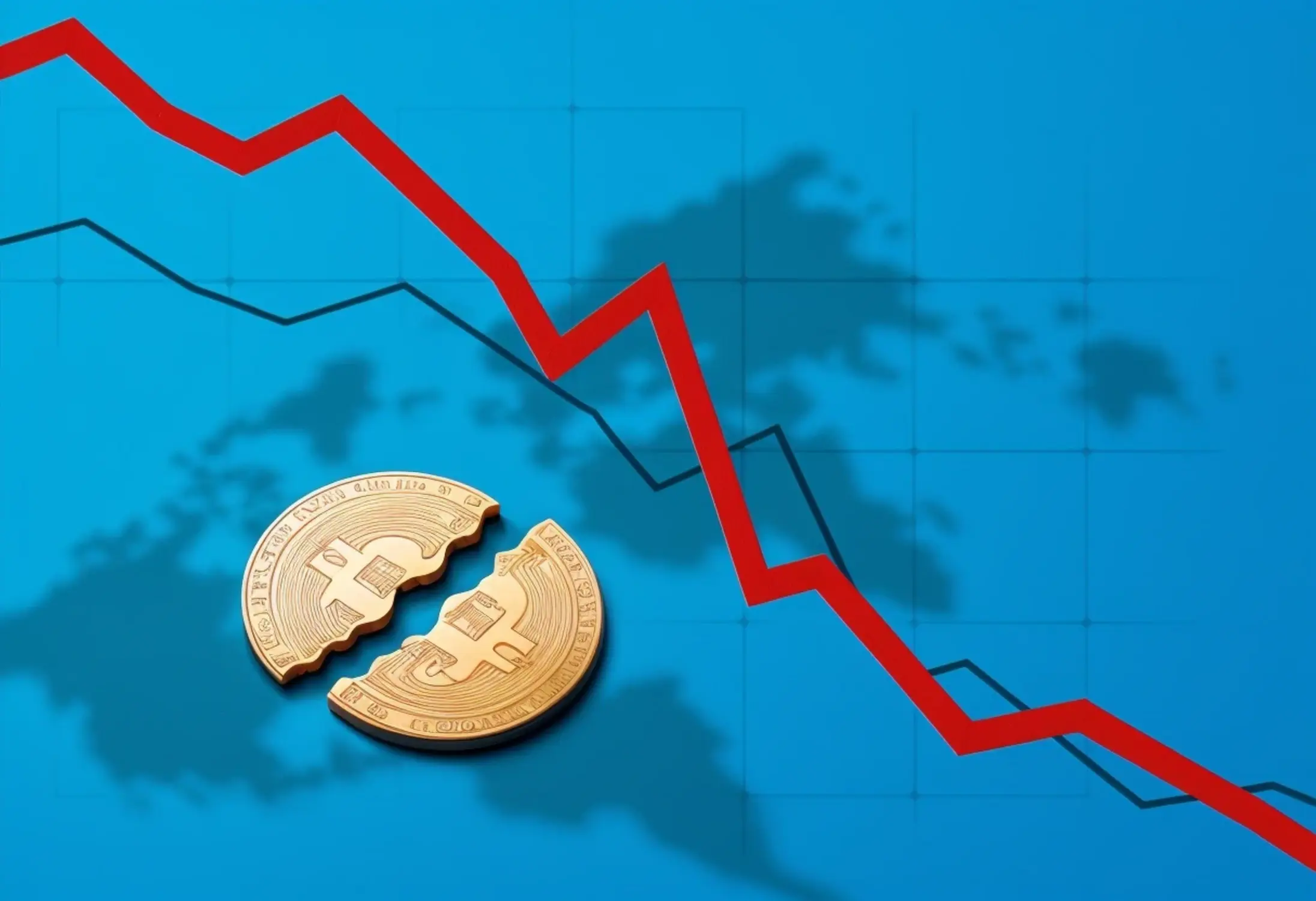
Examining the immediate impacts of capital outflow reveals substantial ongoing changes in the crypto market. In less than 100 days, the total crypto market capitalization has seen a staggering loss of over $730 billion, highlighting the scale of this capital outflow. This figure not only reflects investor withdrawals but also underscores a lack of confidence in market stability, leading many potential investors to stay on the sidelines. The decrease in Bitcoin’s market cap alone has accounted for approximately $348 billion or about 22%. Such losses contribute to overall market instability, raising concerns about future viability and growth within the crypto economy.
Current Crypto Market Dynamics
The current state of the crypto economy is characterized by significant volatility and uncertainty. Major players in the market, including Bitcoin and Ethereum, have been severely impacted by these recent outflow trends. Smaller altcoins have also faced declines, further illustrating how interconnected the various segments of the crypto market are. Market contractions are now common, with many cryptocurrencies struggling to maintain pre-outflow valuation levels. This environment encourages speculation about the durability of these assets, making it essential to observe how they might evolve in response to ongoing pressures.
The Role of Bitcoin and Major Coins
Bitcoin, as the leading cryptocurrency, significantly influences the overall market dynamics. Its recent decline has not only affected its valuation but has also triggered a downturn across other major cryptocurrencies. Investors are closely monitoring the price movements of Bitcoin, as its performance serves as a bellwether for the market’s health. The impact extends to notable competitors like Ethereum and Ripple, where declines in major coins often correlate with diminished investor confidence in the broader market. Comparatively, some altcoins have managed to withstand the tide better than others, leading to discussions about potential benefits for diversified portfolios amid the current climate of capital outflow.
Future Outlook for Market Trends
Exploring potential long-term trends within the crypto economy is vital to understanding the ongoing ramifications of capital outflow. Market analysts suggest that as sentiments stabilize, emerging trends like decentralized finance (DeFi) and non-fungible tokens (NFTs) may gain traction, offering new investment avenues. Current capital outflows emphasize the necessity for innovation and adaptation amongst crypto assets, and those that can pivot efficiently may thrive in a reinforced landscape. While it’s challenging to predict precisely how capital outflows will shape future markets, ongoing vigilance and adaptability will be crucial for both investors and developers in the space.
Strategies for Navigating Market Contractions
To effectively navigate the current landscape of market contractions, investors should consider several practical strategies. First, diversification remains a key approach, spreading investments across various assets can mitigate risks associated with significant capital outflows. Second, practicing enhanced due diligence when researching projects may protect against ill-informed decisions. Staying informed about market trends and indicators can empower investors to make strategic decisions aligned with their risk tolerance. Lastly, the implementation of stop-loss orders can serve as a buffer during periods of high volatility, further safeguarding investment portfolios.
Concluding Insights on the Crypto Economy Evolution
In summary, this analysis of recent capital outflows illustrates significant shifts within the crypto economy. Investors must remain proactive in their approaches, considering the effects of market contractions while seeking opportunities for resilience amidst volatility. Developing strategies that place emphasis on long-term stability can help investors navigate these challenging times successfully, leading to a more robust and informed investment landscape.




More Stories
How Traders Are Using Bitcoin to Navigate Current Geopolitical Challenges
How Investors Are Using Crypto Trends to Navigate Trade Uncertainty
The Hidden Truth About Bitcoin’s Five-Month Decline and Its Causes