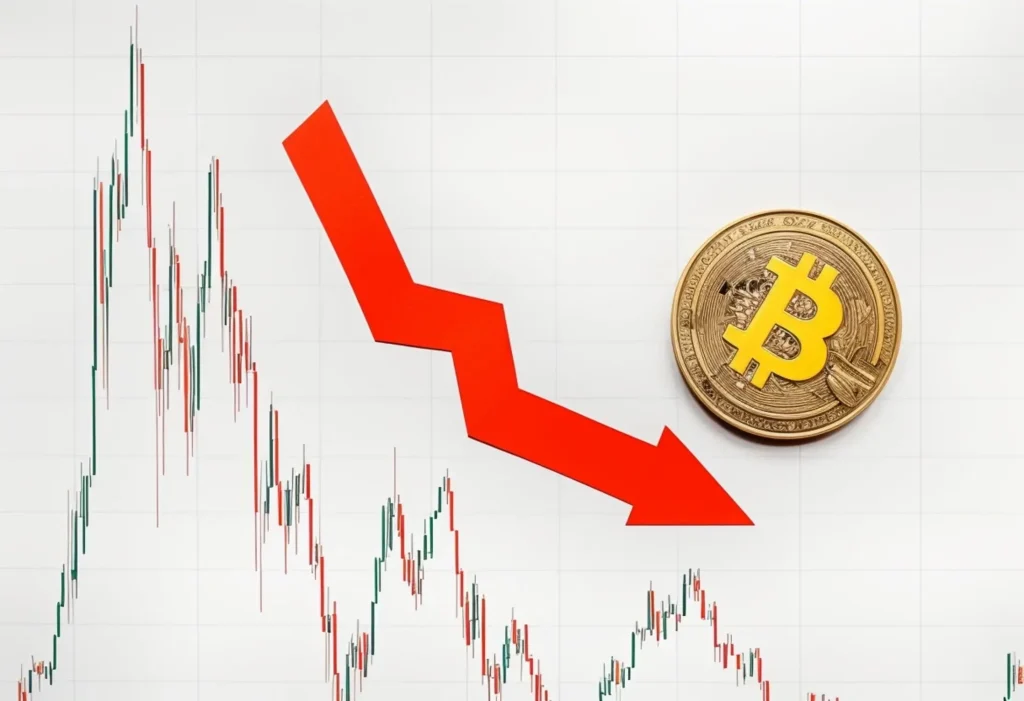
In today’s unpredictable crypto economy, understanding the reasons behind Bitcoin’s collapse is crucial for investors and enthusiasts alike. The recent five-month decline is not just about numbers; it reflects deeper market sentiments and distress signals that could impact future cryptocurrency fortunes.
Important Factors Behind Bitcoin Collapse
The primary drivers of Bitcoin’s precipitous decline are multifaceted, encompassing both economic and political influences. A significant factor is the confluence of global economic trends that has affected investor sentiment across markets. As recent reports indicate, Bitcoin has been susceptible to broader market fluctuations, experiencing a sharp downturn amid rising global tariffs proposed by political leaders, which triggered a risk-off sentiment among investors (ADN).
Additionally, political decisions such as financial regulations and trade policies have fostered uncertainty within the cryptocurrency market, leading to a lack of confidence among traditional investors. The cumulative effect of these political variables may have played a significant role in catalyzing Bitcoin’s decline.
Furthermore, the rising costs of Bitcoin mining have destabilized the market considerably. With mining operations now averaging an all-in cost of around $80,000, many miners are reportedly operating below breakeven, which exacerbates market vulnerabilities (Barron’s).
Current Landscape of the Cryptocurrency Market
In recent months, Bitcoin has suffered notable price drops, culminating in a remarkable decline of over 19% in February alone. This period marks its fifth consecutive monthly downturn, the longest losing streak since 2018. Amidst this turmoil, a significant outflow from Bitcoin ETFs has been noted, with over $200 million reportedly withdrawn on a single day, reflecting changing investor behavior towards Bitcoin and cryptocurrencies at large (ADN).
While Bitcoin’s declines have been stark, they are not isolated. Other major cryptocurrencies face similar challenges, often reacting in tandem with Bitcoin’s volatility. This correlation indicates that investor sentiment is greatly influenced by Bitcoin’s performance, creating a ripple effect throughout the crypto economy. As the cryptocurrency market continues to evolve, keeping abreast of these dynamics is essential for potential investors.
Effects of Ongoing Bitcoin Price Drops
The long-term implications of Bitcoin’s five-month decline are profoundly significant and can affect various stakeholders within the ecosystem. For miners, the current state necessitates a re-evaluation of operational strategies to mitigate losses. Many are left struggling, as the costs associated with mining exceed the potential revenue they can generate at current market rates.
For investors, particularly long-term holders, the ongoing price drops pose a psychological challenge. A consistent decline not only impacts financial returns but also shifts market psychology. Investors wary of further losses may choose to sell off their holdings, driving prices down further, thus creating a vicious cycle of panic selling.
Furthermore, the gradual erosion of investor confidence may shape the cryptocurrency landscape for years to come, as trust in Bitcoin’s ability to recover becomes increasingly questioned.

The Crypto Economy’s Response to Decline
As Bitcoin experiences its downturn, various stakeholders within the cryptocurrency market have adopted diverse strategies in response. Investors are keenly monitoring the situation, adjusting their trading strategies in real-time to navigate the turbulent waters of the crypto economy.
Media coverage plays a pivotal role in shaping public perception. Positive or negative narratives can amplify market emotions, influencing both trading behaviors and investor confidence. Increased scrutiny from the media can further exacerbate the situation, creating an environment of uncertainty that affects both trading volumes and market stability.
Stakeholders have also begun to advocate diversifying investment portfolios to hedge against the volatility inherent in cryptocurrency markets. Such strategies might involve reallocating funds into different cryptocurrencies or traditional assets that promise more stability during downturns.
Strategies for Navigating the Bitcoin Collapse
For savvy investors, mitigating risks during Bitcoin’s downturn involves several proactive strategies. First and foremost, diversifying portfolios is critical. By spreading investments across various assets, investors can reduce overall risk exposure while maintaining potential for future growth.
Investors should also utilize market analysis tools to stay informed about price trends and market indicators. Implementing a disciplined approach towards trading can help individuals make informed decisions rather than reacting emotionally to market fluctuations.
In addition, it may be beneficial to set clear investment goals and exit strategies. This allows investors to navigate market downturns without succumbing to panic selling.
Future Considerations for Bitcoin Investors
Looking ahead, several scenarios could unfold depending on how the cryptocurrency market responds to current pressures. Regulatory changes represent a significant area for investors to monitor, as shifts in governmental policy can either bolster or hinder Bitcoin and its counterparts.
Moreover, there is ongoing debate about Bitcoin’s viability as a safe haven in an uncertain economic climate. As inflation and economic instability persist, Bitcoin’s appeal may attract institutional investors looking for alternatives to traditional assets.
By staying informed and adaptable, Bitcoin investors can better position themselves to respond effectively to future market changes.
Community Perspectives on Bitcoin’s Journey
Insights from experts and community leaders in cryptocurrency reveal a resilient outlook for Bitcoin enthusiasts. Many assert that the current decline is part of a larger market cycle consistent with historical patterns, suggesting a potential recovery may be on the horizon.
Discussions within the community reflect a blend of optimism and caution as investors weigh the implications of current trends. Analyzing sentiment shows a diverse range of opinions, where some advocate for long-term holding strategies, while others prompt for reevaluation of investment approaches.
In conclusion, navigating the complexities of Bitcoin’s journey requires both awareness of the current landscape and an understanding of market undercurrents influencing its trajectory. Drawing from community insights can enhance perspectives and assist individuals in making informed decisions during this volatile period.




More Stories
How Traders Are Using Bitcoin to Navigate Current Geopolitical Challenges
How Investors Are Using Crypto Trends to Navigate Trade Uncertainty
The Hidden Truth About Tariff Changes and Crypto Prices